Planning
15 Packing Tips from Professional Movers That Will Save You Time and Money
Discover 15 expert packing tips from professional movers to save time, reduce stress, and avoid costly mistakes during your next move.
Planning
Discover 15 expert packing tips from professional movers to save time, reduce stress, and avoid costly mistakes during your next move.
Packing is one of those parts of moving that seems simple—until you’re surrounded by boxes, tape, and a growing sense that you underestimated everything.
The truth is, packing is where most people lose time, waste money, and accidentally damage their belongings. Professional movers approach packing very differently. They don’t just throw things into boxes—they follow systems that make moving faster, safer, and far more efficient.
If you want your move to go smoothly, these 15 packing tips will make a bigger difference than you might expect.
One of the most common mistakes people make is waiting too long to start packing. What seems like a weekend project quickly turns into a stressful rush.
A better approach is to start at least 2–3 weeks in advance, beginning with items you don’t use daily. This gives you time to stay organized and avoid last-minute chaos.
Jumping between rooms might feel productive, but it usually leads to confusion later.
Instead, focus on one room at a time. This helps you:
Stay organized
Keep similar items together
Make unpacking much easier
When each box belongs to a specific space, your new home comes together faster.
Writing “Kitchen” on a box isn’t enough when you’re looking for something specific later.
Professional movers recommend labeling boxes with:
The room name
A short list of contents
A priority level (e.g., “Open First”)
This small step saves a surprising amount of time when unpacking.
Not all boxes should be used the same way. One of the biggest mistakes is putting heavy items into large boxes.
Follow this simple rule:
Small boxes → heavy items (books, tools)
Medium boxes → mixed household items
Large boxes → light items (pillows, linens)
This keeps boxes manageable and prevents injuries or damage.
It’s tempting to fill every inch of a box, but overpacking creates problems.
Boxes that are too heavy can:
Break during the move
Be difficult to carry
Increase the risk of items getting damaged
Leave a little space and keep weight reasonable.
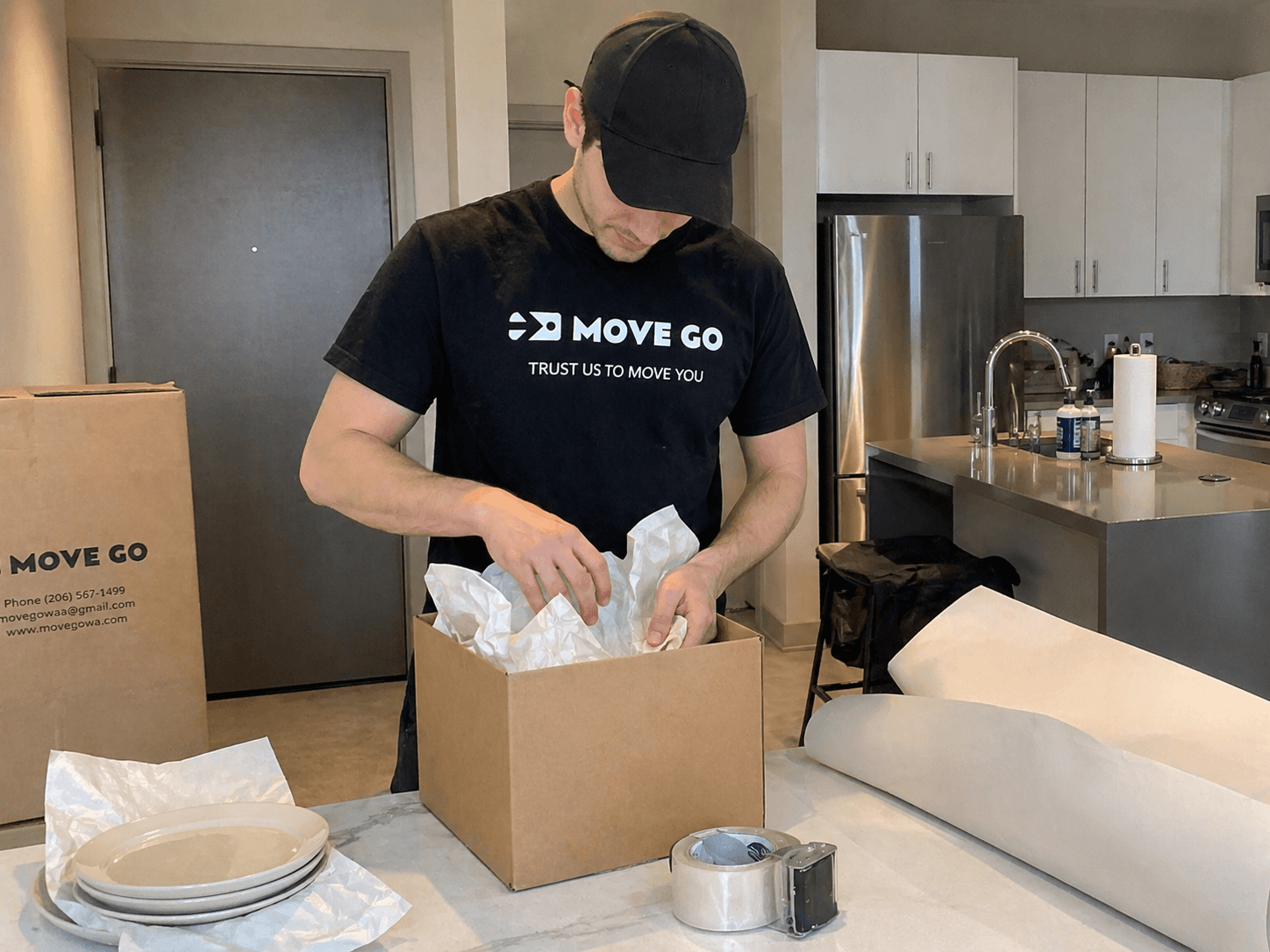
Wrapping fragile items quickly is one of the most common causes of damage.
Instead of rushing, take the time to:
Wrap items individually
Use padding between layers
Fill empty space to prevent movement
If items can shift inside the box, they’re more likely to break.
After a long moving day, the last thing you want is to search through boxes for basic items.
Pack a separate “first night” bag with essentials like:
Clothes
Toiletries
Chargers
Basic kitchen items
This makes your first night in your new place much more comfortable.
You don’t always need to buy packing materials. Many household items can double as protection.
For example:
Towels and blankets can wrap furniture
Clothes can cushion fragile items
Suitcases can carry heavier belongings
This saves money and reduces waste.
Before unplugging TVs, computers, or entertainment systems, take a quick photo of the wiring setup.
This simple step can save you a lot of frustration when it’s time to reconnect everything.
Important paperwork should never be packed into random boxes.
Keep documents like:
IDs
Contracts
Financial records
Moving paperwork
in a clearly labeled folder that stays with you during the move.
Cheap boxes and weak tape can fail at the worst possible moment.
Investing in:
Sturdy boxes
Strong packing tape
Protective wrapping
can prevent damage and save money in the long run.
Packing items you don’t need wastes time, space, and money.
Before you start, go through your belongings and:
Donate what you don’t use
Sell valuable items you no longer need
Throw away anything that’s broken or unusable
The less you move, the easier (and cheaper) your move will be.
When disassembling furniture or electronics, it’s easy to lose track of small pieces.
Use small bags or containers and label them clearly. Tape them to the item they belong to if possible.
Instead of searching through multiple boxes, pack one clearly labeled box with items you’ll need immediately.
This might include:
Paper towels
Basic tools
Snacks
Cleaning supplies
Having quick access to these items makes a big difference.
Packing takes more time and energy than most people expect. If you’re feeling overwhelmed, getting help can make the entire process easier.
Professional movers not only transport your belongings—they can also pack efficiently, protect your items, and save you hours of work.